


Deep Dive
来自我们记者的行业洞察

In the commercial real estate sector, executives' vague predictions about AI applications are being replaced by more mature strategies. CBRE, JLL, and Cushman & Wakefield, in recent earnings calls and public communications, detailed specific use cases of AI in facility management, leasing, space planning, and other operations, and outlined development paths for 2026 and beyond.

At the IFMA World Workplace 2025 conference in Minneapolis, experts urged facility managers to adopt an "FM Analyst" mindset, integrating data analysis and communication skills with traditional technical expertise to address the surge in data and AI-driven changes. The conference attracted over 4,000 professionals and showcased smart building solutions such as OpenBlue.

Drinking water and wastewater treatment facilities across multiple U.S. states have recently faced coordinated attacks by hackers with suspected Iranian ties, impacting at least 12 states. The attacks targeted industrial control systems such as programmable logic controllers (PLCs), causing brief disruptions at some facilities but without affecting water supply safety. Federal agencies have issued warnings, and industry organizations are calling for enhanced regulation and resource investment.

In a report released on August 17, JLL stated that digital fatigue is driving consumers back to physical stores, but retailers may miss opportunities if they fail to offer rest areas away from screens. The report recommends three principles: allowing consumers to discover products on their own, providing sensory adjustment spaces, and creating zones that inspire social sharing. The survey shows that nearly 75% of consumers say they would visit quiet, low-stimulation stores more frequently.
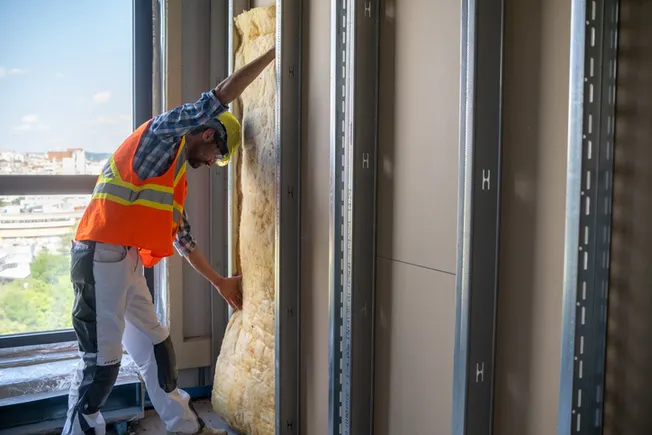
The next version of the ANSI/ASHRAE/IES Standard 90.1 will remove the greenhouse gas-related appendix added last year, which will instead be published as an optional document. Committee members stated that this move reflects a shift in stakeholder opinions and reaffirms the standard's core mission of focusing on energy efficiency.

Industry experts state that progressive system upgrades of Class B office buildings synchronized with lease cycles can help owners improve operational efficiency while absorbing leasing demand spilling over from Class A properties. If part of the approximately 3.4 billion square feet of Class B office space in the United States is renovated, it could yield considerable benefits in energy savings, operational costs, and grid flexibility. The phased strategy starts with quick-return technologies such as LED lighting and energy consumption monitoring, using saved funds to support subsequent upgrades on a rolling basis, and leverages tools like energy efficiency certifications and green banks to lower financing barriers.
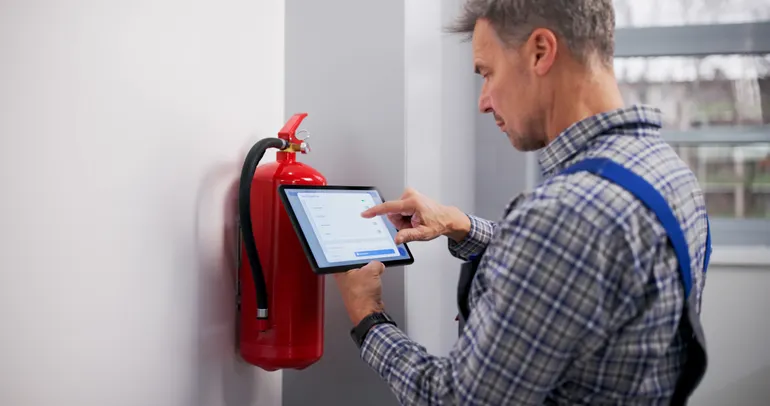
The National Fire Protection Association (NFPA) released a survey on Tuesday showing skilled labor demand has almost doubled over the past three years, partly due to AI-related infrastructure. The survey of 326 skilled trades workers and facility managers indicates that AI is both a cause of labor shortages and a potential solution, as workers increasingly use AI tools to meet code requirements and streamline tasks.
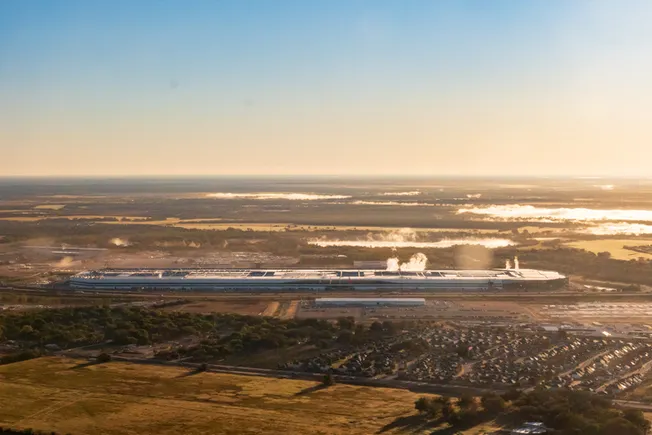
SpaceX's Terafab in Texas will rely on a gigawatt-scale natural gas plant and batteries, not solar, due to the strict power quality requirements of chip manufacturing, according to analysts and company documents.
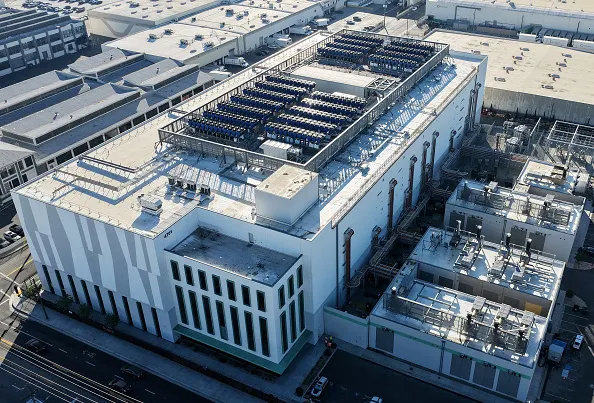
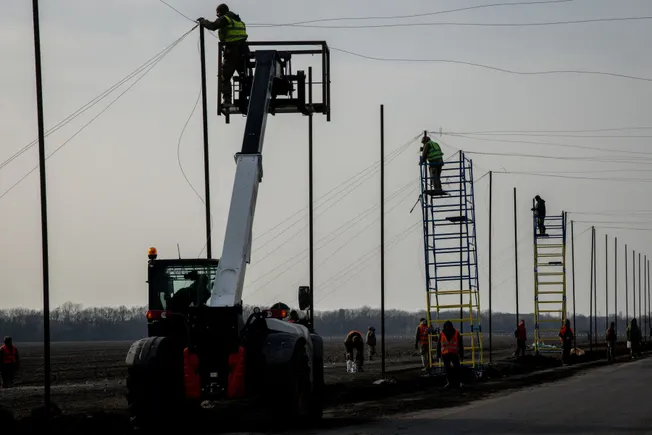
Experts and organizations in the U.S. electric industry say grid operators urgently need new tools and regulatory authority to address the growing threat of drone attacks. In the GridEx VIII exercise report, the North American Electric Reliability Corporation (NERC) noted that asset owners have concerns about their ability to defend against unmanned aerial system attacks and called on the government to consolidate fragmented guidance documents and clarify legal interception technologies. Under current regulatory constraints, utility companies can only address drones after they land, which is often too late.