


Opinion
New Approaches to Hotel Energy Efficiency: Cutting Energy Costs Without Sacrificing Quality
The hotel industry has been gradually recovering after the pandemic, but inflationary pressures keep operating costs high, with energy expenses being particularly prominent—air conditioning can account for 40% to 50% of a hotel's total electricity bill. Data from the U.S. National Renewable Energy Laboratory shows that commercial buildings, including hotels, consume 75% of the nation's electricity, with nearly half used for heating and air conditioning. On-site thermal energy storage systems (based on water or ice) can charge during off-peak hours when electricity rates are lower and discharge during peak periods to drive air conditioning, thereby saving on electricity costs. This technology has been applied at the Beverly Hilton and the Waldorf Astoria Beverly Hills, meeting about 40% of their summer peak cooling needs. For hotels that generate their own solar power, thermal energy storage can further extend grid independence. Compared to batteries, thermal energy storage is lower in cost, carries less risk, and is not subject to installation restrictions, making it a viable option for hotels to cope with inflation and cut costs without affecting guest experience.
Editor's note:This article is a guest post by Doug Poffinbarger, Director of Commercial Operations for the Western United States at Nostromo Energy, and reflects the author's personal views only.
The hospitality industry is steadily recovering from the severe impact of the COVID-19 pandemic, but persistent inflation has made property operations a challenge of balancing expenses. This task is inherently difficult due to the need to maintain service levels and quality.
Infrastructure costs—especially energy expenditures—are among the largest expenses for hotels, with air conditioning systems typically accounting for 40% to 50% of total energy costs. Data from the National Renewable Energy Laboratory (NREL) shows that U.S. commercial buildings, including hotels, consume 75% of the nation's electricity; according to Lee Company, nearly half of that is used for heating and air conditioning.
However, room for savings exists: deploying on-site thermal energy storage systems alone, or in combination with other sustainable energy solutions, can help properties significantly reduce electricity bills, especially as the price gap between daytime and nighttime (i.e., off-peak and peak) electricity continues to widen.
With advances in renewable energy technology, installing solar panels to directly power properties is becoming increasingly common in the hospitality industry to reduce electricity costs. This approach can indeed significantly cut a portion of electricity expenses. For example, Hampton Inn and Suites Bakersfield North-Airport saw its electricity bills drop by approximately 40% after installing a solar carport array.
Energy storage is key—whether or not paired with solar power generation
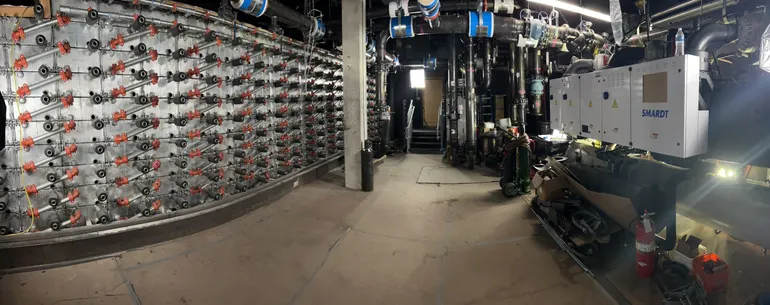
Another innovative energy-saving option available to hotels is the installation of on-site thermal energy storage systems. These systems are also suitable for hotels that do not generate their own power and still rely on standard grid electricity (which currently remains the vast majority).
Thermal energy storage systems, typically based on water or ice, can be charged using grid electricity during periods of lower electricity rates (usually when daytime demand is low and utilities utilize low-cost solar power). The stored energy can then be released during evening peak hours when electricity rates are higher and often accompanied by additional tariffs and high demand charges, to drive air conditioning systems.
Currently, the Beverly Hilton and the Waldorf Astoria Beverly Hills are already using thermal energy storage systems to meet approximately 40% of their combined peak cooling demand during the summer, while saving on demand charges from utility companies.
Meanwhile, for hotels with their own solar power, the value of thermal energy storage solutions is also increasingly evident. In such scenarios, properties can use self-generated or grid electricity to charge the storage system, then release the stored energy in the early morning or evening hours to drive HVAC systems. This extends the hotel's independence from the grid during higher-priced evening periods and eliminates the risk that daytime solar energy savings are offset at night.
Beyond batteries: the advantages of thermal energy storage
When it comes to energy storage, most people think of batteries first. But thermal energy storage may be a better option, as it can avoid many of the challenges posed by batteries.
Batteries have limited capacity, are costly (especially for commercial buildings), and often come with safety concerns. The larger the battery, the higher the risk, and putting guests at risk is something no hotel wants. Additionally, several jurisdictions now have rules restricting who can install batteries on commercial properties, further complicating the process.
Thermal energy storage is especially worth considering in the current period when nearly all prices are rising, as many areas such as food and labor are difficult to cut costs. If hotels begin reducing service offerings or lowering the quality of food and amenities, guests will certainly notice and are likely to be dissatisfied. This would place hotels at the center of the inflationary storm, endangering profits. Thermal energy storage systems allow hotels to take control of energy cost reduction without disrupting other operations and services or affecting the guest experience.
By cutting these costs, hotels will be better equipped to handle rising prices, labor shortages, or any other of the many issues that could harm profits—without compromising on the guest experience.