


Latest news

California Governor Newsom has required state agencies to set four days per week in-office attendance as the default work mode, and the order took effect on July 1. This move involves approximately 109,000 employees, raising questions about office space capacity while facing opposition from unions.

The multifamily housing industry continues to face difficulties in recruiting skilled trades such as maintenance technicians and service supervisors, competing with sectors like construction and hospitality for the same talent pool. Companies such as Greystar and CAPREIT point out that the retirement of skilled workers and a shortage of younger entrants are creating long-term talent pipeline challenges. Firms are mitigating pressure through expanded training, mentorship programs, cultural development, and technology adoption, but recruitment difficulty is not expected to decrease significantly in the near term.
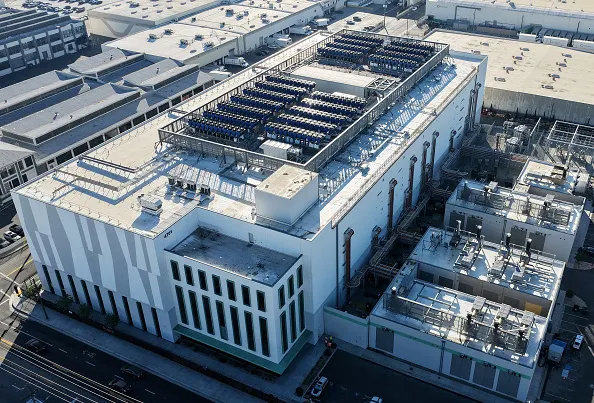

The ASHRAE 2026 Annual Conference will be held from June 27 to July 5 in Austin, bringing together global HVAC and refrigeration experts. The conference features multiple technical sessions, focusing on cutting-edge topics such as data center HVAC systems, thermal energy networks, and variable refrigerant flow optimization, and offers continuing education courses. President Bill McQuade will summarize the healthy building achievements during his two-year term, and President-Elect Sarah Maston will unveil the new theme, 'Changing the Game: Retrofitting for Resilience.'
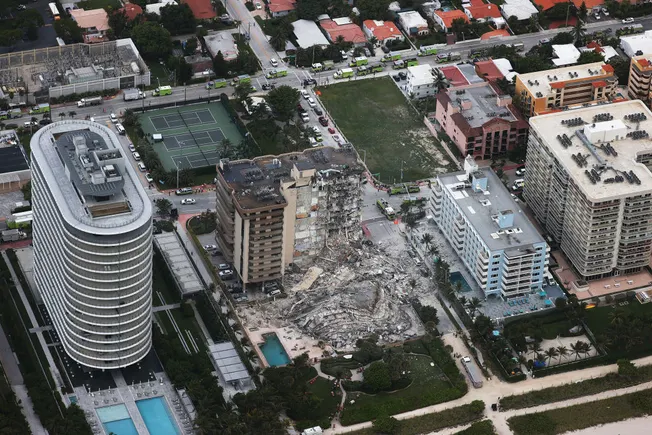
The collapse of Champlain Towers South five years ago prompted the industry to reflect on the limitations of periodic inspections. The author, senior structural engineer Greg Batista, believes that building aging has no fixed timeline, and snapshot-style inspections struggle to capture early internal deterioration. With the maturation of sensing and AI technologies, continuous structural monitoring is becoming the new standard for building safety in Florida and beyond, helping owners, engineers, and regulators transition from reactive maintenance to preventive management.
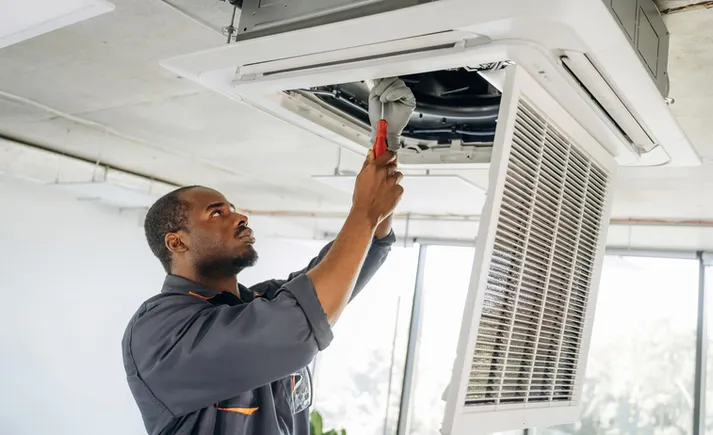
Spring is a period when HVAC systems transition from heating to cooling and humidity rises rapidly, making it a high-risk window for biological contaminants such as mold to quietly proliferate in ducts and air handling units. This article analyzes the hazards this seasonal transition poses to indoor air quality (IAQ) in commercial buildings and proposes specific action recommendations for inspecting high-risk areas, evaluating HVAC systems, reviewing ventilation settings, and establishing baseline records.
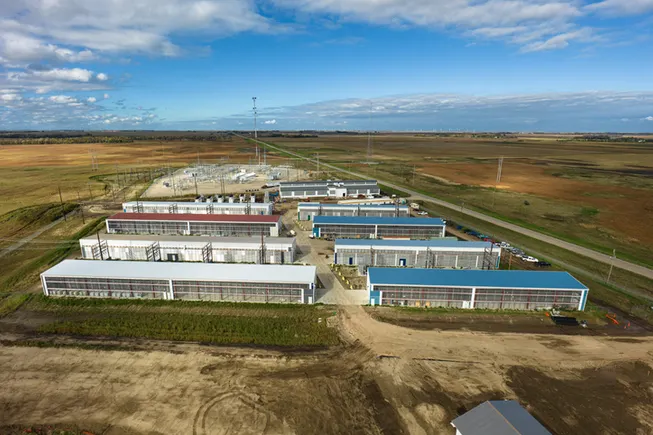
Hyperscale data centers under construction in the U.S. states of Louisiana and Wyoming will use on-site natural gas generation rather than connecting to the power grid. Analysts point out that while this model reduces strain on the grid, it drives up fuel prices through market-based natural gas trading, thereby raising electricity and heating costs for households and small businesses across the nation. Experts urge policymakers to require data centers to bring their own clean energy to balance development and people's livelihoods.

The Boston Building Emissions Reduction and Disclosure Ordinance (BERDO) has extended the annual reporting deadline by three months to August 15, but compliance requirements remain unchanged. Covered buildings must submit verified energy and water data, with late submissions subject to fines of $150 to $300 per day. Experts advise owners to act early and utilize flexibility measures and city resources to achieve compliance.

As Generation Z becomes the dominant force in the workplace, their desire for outdoor spaces is profoundly influencing the design and operation of office buildings. Data shows that 88% of Gen Z believe indoor work has a negative impact on mental health, prompting companies to adopt green spaces as a new office benefit. This article explores how green spaces, from design and maintenance to return on investment, are becoming a core element in attracting tenants and enhancing the value of office buildings.
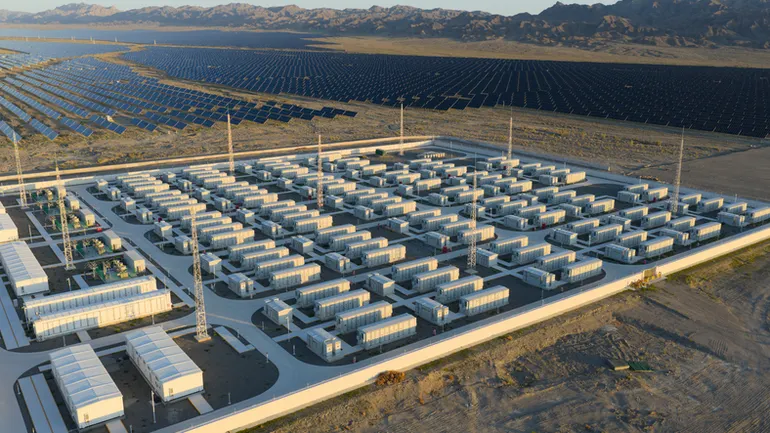
New U.S. Treasury guidance (N-26-15) on restrictions for 'Foreign Entities of Concern' (FEOC) will determine which battery projects are eligible for billions in federal tax credits. The new rules elevate FEOC compliance from a policy add-on to a core driver of procurement, financing, and competitive positioning, introducing a 'material assistance cost ratio' as a project-level and product-level determination standard.