


Latest news

ICE enforcement actions in the U.S. exacerbate the hotel industry's already severe labor shortages and affect guests' sense of security. This article proposes three key preparations: clarifying the division between public and private spaces, conducting team rights training, and publicly visible rights notification measures, to help hotels reduce risks within a legal framework.
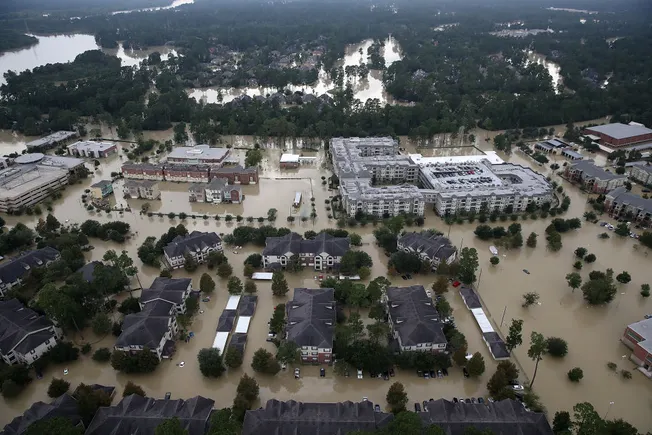
ASCE 24-24 brings the most transformative updates since its initial release in 1998: a significant expansion of the regulated floodplain, building minimum flood elevation requirements tiered by flood design class, dry floodproofing products required to pass ANSI/FM 2510 performance testing, and new requirements for annual inspections, maintenance, and deployment drills. These changes stem from lessons learned from recent hurricane disasters, aiming to break the cycle of 'rebuild and flood again.'
Energy Star Portfolio Manager has long supported energy efficiency management in the real estate industry, but the Trump administration's fiscal year 2026 budget proposal aims to eliminate it. Based on client interviews with large global real estate organizations, this article proposes five principles for post-ESPM energy efficiency benchmarking: industry self-governance, market-driven innovation, global comparability, data neutrality, and sustainable business models, while emphasizing that even if ESPM survives, these systemic gaps urgently need to be addressed.

Buildings account for nearly 40% of global energy-related carbon emissions. Under pressure to decarbonize, many regions in North America are tightening energy efficiency regulations. Christy Martell, Senior Vice President at IES, believes that owners and AEC professional teams should go beyond minimum compliance standards, using performance-based design, data-driven modeling, and life-cycle analysis to achieve cost reduction, compliance, and asset value enhancement.

Chris Donus, CEO of parking management technology company Flash, points out that property owners often overlook parking when improving tenant and visitor experiences, resulting in a loss of a $35 billion annual revenue opportunity. Through AI-driven recommendations, reservations, license plate recognition, EV charging integration, and automated billing, parking facilities can transform into digital platforms similar to Amazon, Uber, and Airbnb, delivering substantial profits to owners.
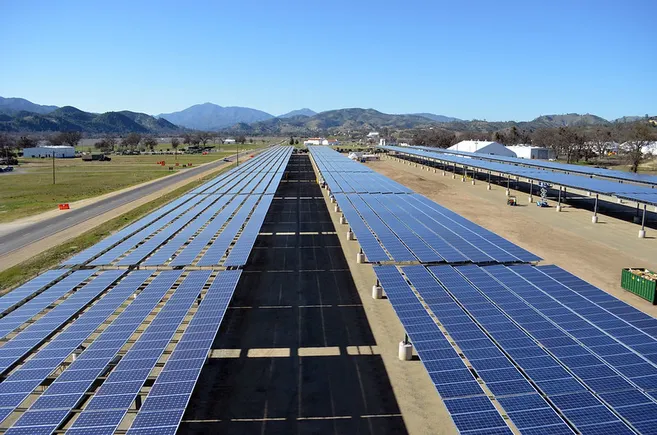
In 2024, extreme weather caused over $182 billion in losses in the United States, and 95% of utility leaders are concerned about grid reliability. Microgrids, through distributed energy resources, energy storage, and intelligent control, can flexibly switch between grid-connected and island modes, providing resilience support for critical facilities, communities, and the grid. This article, using case studies and data, analyzes the value of microgrids in addressing environmental and cybersecurity threats and looks ahead to their future integration with AI.

First-generation intelligent cleaning technologies (robot vacuums, air quality sensors, predictive maintenance) have transformed facility management, but their limitations are increasingly evident amid usage fluctuations caused by hybrid work. The combination of AI and thermal sensing can provide anonymous, real-time space occupancy insights, helping optimize cleaning schedules, adjust office layouts, and balance energy consumption, thereby extending the return on intelligent cleaning investments and enhancing commercial real estate value.

Enforcement actions by U.S. federal immigration authorities against employers are progressing gradually, but the pace is still relatively slow. Employer-side immigration attorneys point out that businesses should not let their guard down as a result, but rather anticipate the possibility of expanded scope and intensified enforcement, and proactively improve I-9 form compliance, employee training, and emergency response mechanisms.

Following President Trump's executive order, ICE raids are expected to increase. The hospitality industry, where undocumented immigrant employees account for over 7% of the workforce, urgently needs to develop response plans. Written by experts from Mandelbaum Barrett PC law firm, this article guides hotel owners on how to manage I-9 forms compliantly, designate specific personnel to liaise with ICE, define public and private area access, and train employees to respond rationally while avoiding risks of discrimination and obstruction of enforcement.

As multiple major hurricanes in autumn destroy factories and businesses, flood risk is evolving from a distant concern into an imminent threat. Firas Saleh, Director of Product Management at Moody's, notes that flooding can occur anywhere it rains. According to FEMA data, just one inch of floodwater can cause up to $25,000 in damage. This article systematically reviews flood risk maps and assessment tools available to manufacturers, distinguishing between riverine, coastal, and rainfall-driven flooding; details the applicable scenarios and specific measures for wet and dry flood-proofing retrofits; and provides practical recommendations on insurance selection, claims details, and real-time monitoring systems to help companies maximize flood resilience within budget.