


Latest news

College town hotels are crafting distinctive lodging experiences through immersive design, community engagement, student staff, and sustainable practices. Brands such as Graduate by Hilton and Charlestowne Hotels navigate enrollment fluctuations and shifting demand by exploring flexible operations and deep partnerships.

Data from the U.S. National Centers for Environmental Information shows that the average daytime maximum temperature across the U.S. in June this year was 84.6 degrees Fahrenheit, 3.3 degrees higher than the 20th-century average. Against this backdrop, OSHA proposed a heat protection rule on July 2, covering approximately 36 million indoor and outdoor workers. The rule requires manufacturers to establish heat injury and illness prevention plans, including 15-minute rest breaks every two hours at 80 degrees Fahrenheit, training, and recordkeeping. OSHA estimates compliance costs at $7.8 billion. Experts advise companies to prepare proactively rather than relying on the hope of judicial challenges.
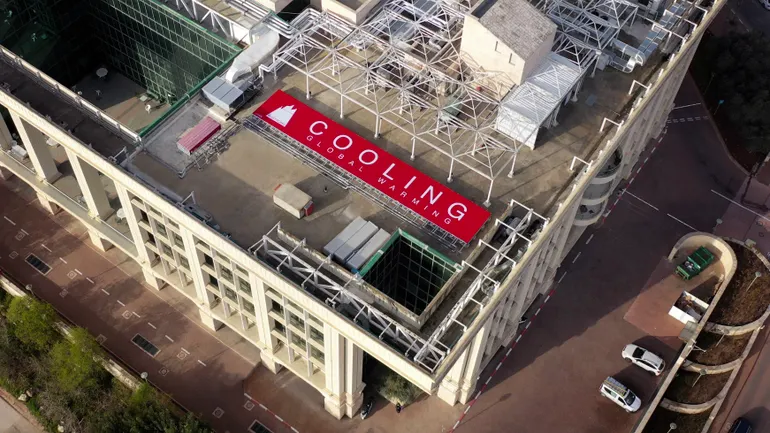
Commercial building electricity prices in the United States have risen by approximately 20.5% from April 2019 to April 2024, but average prices mask the widening gap between peak and off-peak rates. Peak-hour electricity prices in parts of California are expected to rise by nearly 50% over 20 years, while off-peak prices are expected to fall by more than 50%. Energy storage systems, especially thermal energy storage, can help buildings charge during low-price periods and discharge during high-price periods, reducing electricity bills and shortening the payback period to 3-5 years.
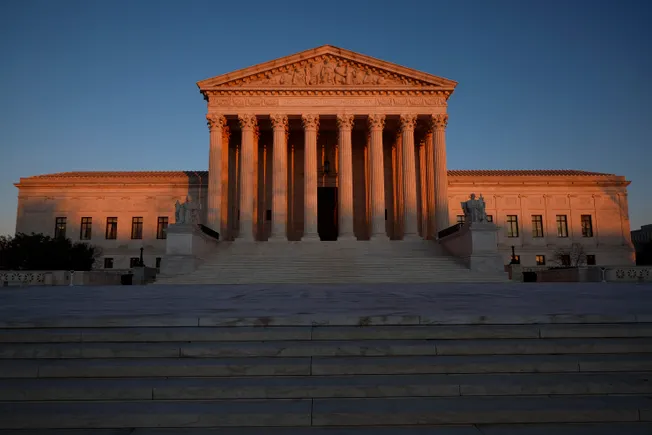
After the U.S. Supreme Court overturned the Chevron doctrine on June 28, federal courts have begun applying new standards to review Department of Labor regulations. A Texas judge was the first to cite the ruling to question overtime rules, but the nationwide impact will take time to unfold. Experts note that in the long term, agencies may craft rules more cautiously, and employers should continue to comply with existing regulations while engaging in rulemaking through public comments and legislative communication.
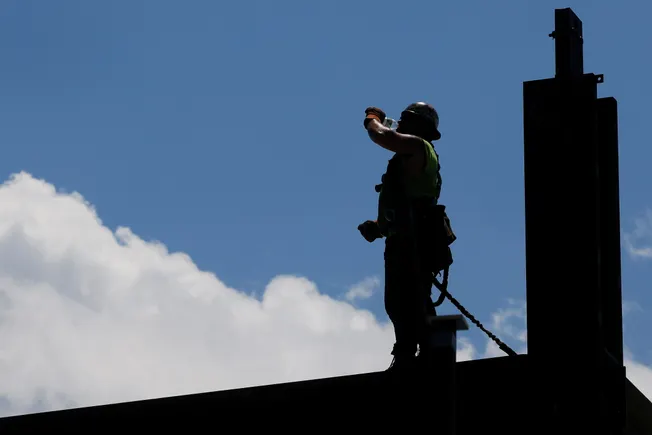
Memorial Day in the United States marks the start of summer, but heat poses health risks to outdoor workers. Texas and Florida have passed laws prohibiting local governments from mandating that employers provide water breaks, while Phoenix requires contractors to develop heat safety plans. OSHA is advancing a federal heat standard, but enforcement still relies on the General Duty Clause.
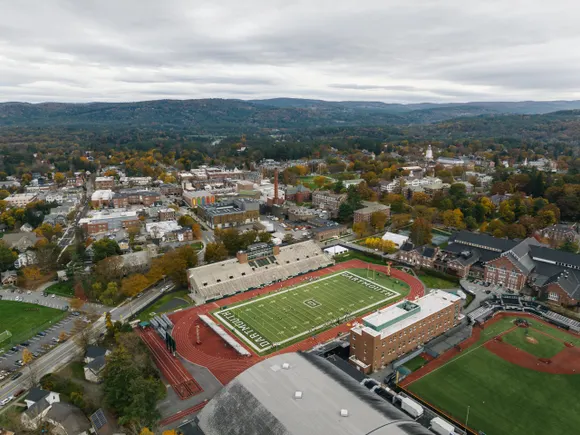
Dartmouth College announced a $500 million investment to upgrade its campus heating infrastructure, transitioning from a steam system to a hot water system, expected to improve energy efficiency by 20% and support goals of reducing emissions by 60% by 2030 and achieving carbon neutrality by 2050. This investment accounts for one-quarter of the college's capital improvement plan and is the largest sustainability investment in its history.
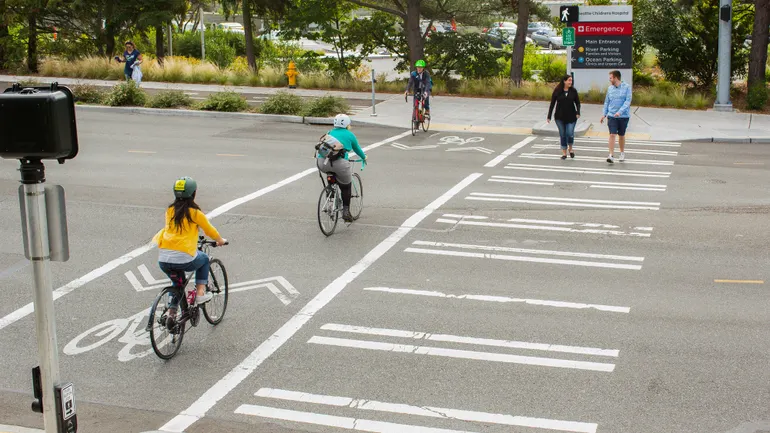
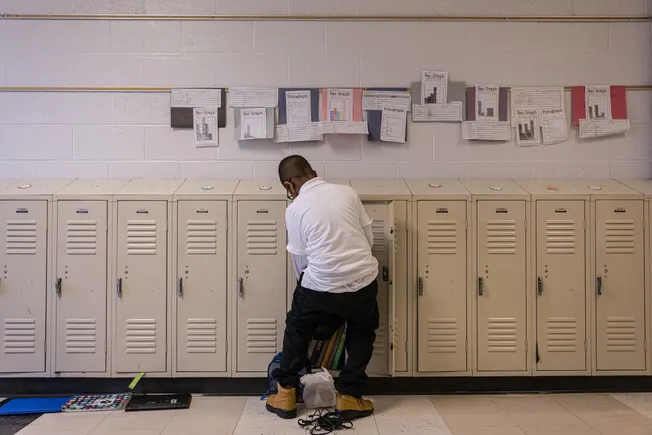
Wayzata High School in Plymouth, Minnesota, permanently removed rows of lockers in the middle of corridors during its renovation, and many schools nationwide are following suit. K-12 architecture experts note that new high schools tend to avoid traditional full-school locker layouts, a trend that emerged before the COVID-19 pandemic, which accelerated its decline. Students no longer need lockers due to digital learning resources, but educators and parents still miss the social memories associated with lockers. Design firms are transforming former locker areas into collaborative spaces while retaining activity-specific lockers.

New York City recently released 65 contracts for the district-based reform of commercial waste collection, marking a major step in implementing this significant change. However, transitioning from an open market to district-based franchising involves complex adjustments, and it remains to be seen how implementation details, environmental and safety benefits will materialize. This article focuses on five key issues: initial reactions, fleet electrification, safety training, recycling investments, and implementation timelines.

In 2024, pressure for building decarbonization continues to escalate. JLL predicts that by 2030, low-carbon space demand will only be met by 25%; investors have strong expectations for premiums on green-certified buildings; policies and regulations are being introduced intensively in New York, Detroit, California, and other places. Experts point out that energy efficiency assessments, digital tools, and tax incentives are key paths to initiating decarbonization, but inflation and skilled labor shortages remain practical challenges.