


Latest news


In 2024, the momentum for companies to return to the office has strengthened, but hybrid work still dominates. Facility managers need to balance space utilization and employee experience, using data-driven decision-making. Based on reports from VTS, JLL, CBRE, and others, this article analyzes trends in office strategies, space utilization, tenant bargaining power, and technology applications.
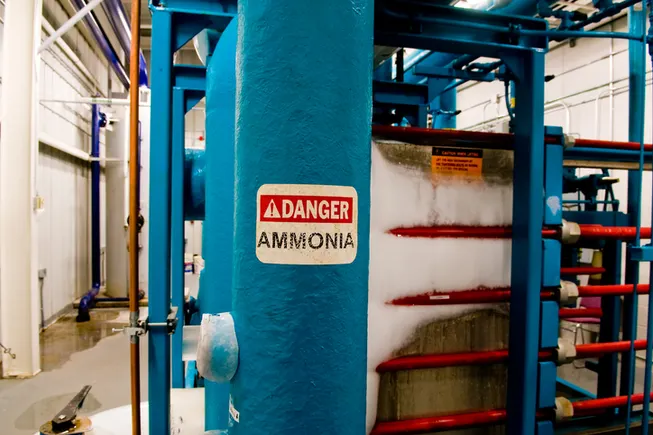
Although ammonia refrigerants offer advantages in energy efficiency and climate impact, their toxicity, corrosiveness, and accident consequences are often underestimated. This article outlines the multiple risks of ammonia leakage to human health, community safety, corporate economics, and the ecological environment, and points out that advanced climate technologies (ACTs) can serve as safer alternatives.

Disasters such as tornadoes, floods, and hurricanes triggered by climate change are upending the foundations of CFO risk management. U.S. commercial property insurance costs rose 15% last year, the largest increase in over three decades. Experts recommend that CFOs address rising costs through five strategies: comprehensively reviewing risk tolerance, strengthening cooperation with insurers, increasing disaster prevention investments, considering innovative products like parametric insurance, and leveraging data analysis to optimize risk pricing.

In recent years, the importance of the social factor ('S') in ESG has risen, but social data, due to its subjectivity and privacy restrictions, is difficult to collect and compare uniformly, posing challenges for corporate reporting and investor assessment. This article analyzes the difficulties in social data reporting, regulatory dynamics, and trends in framework integration.
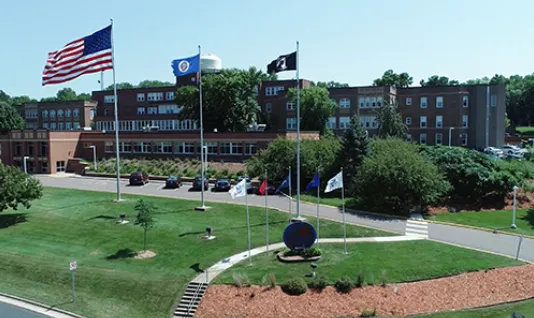
Public entities such as cities, school districts, universities, hospitals, and law enforcement agencies across the United States have long faced facility maintenance backlogs, with total upgrade costs reaching billions of dollars. As federal, state, and local funding gradually becomes available, a large number of projects will commence in 2024 and in the coming years, offering broad market opportunities for private-sector contractors.
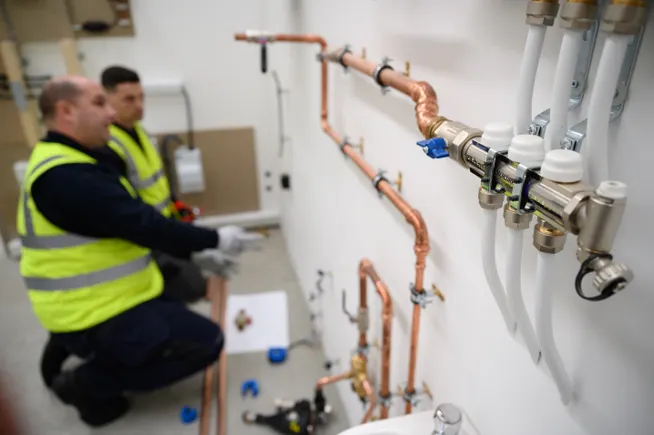
Heat pump technology is gaining increasing attention in the United States, but retrofitting existing commercial buildings faces practical challenges such as physical space limitations, high costs, and grid pressure. This article reviews current promotion progress, retrofit difficulties, and expert opinions from the industry.
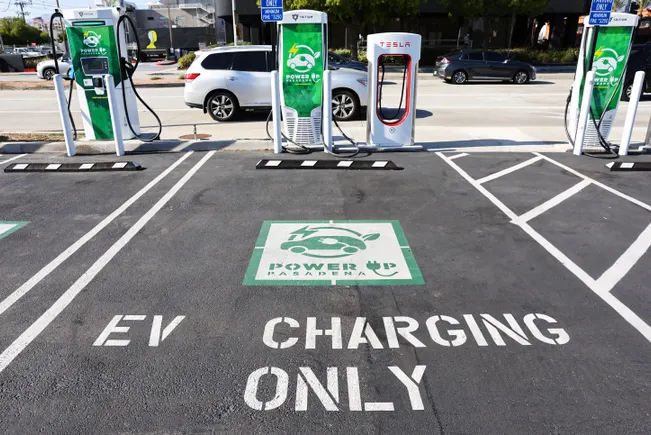
The U.S. electric vehicle transition requires large-scale deployment of fast-charging stations, but disputes between utility companies and charging service providers over ownership of charging infrastructure are slowing deployment. Analysts from both sides agree on the huge demand but diverge on who should lead construction. This article reviews cost recovery, policy games, public-private cooperation models, and the latest industry developments.

Employee preferences for remote versus in-office work show complex divergence. How can companies balance needs through communication and space design? This article, based on data from organizations like Owl Labs and expert opinions, explores the future path of hybrid work.

The facility management industry is facing multiple challenges related to indoor air quality, energy efficiency, and decarbonization goals. Experts from the American Lung Association, Johnson Controls, and the International WELL Building Institute state that improving indoor air quality is not only about health but can also generate significant economic benefits through increased productivity, rental premiums, and tax incentives, helping to offset retrofit costs.