


Latest news
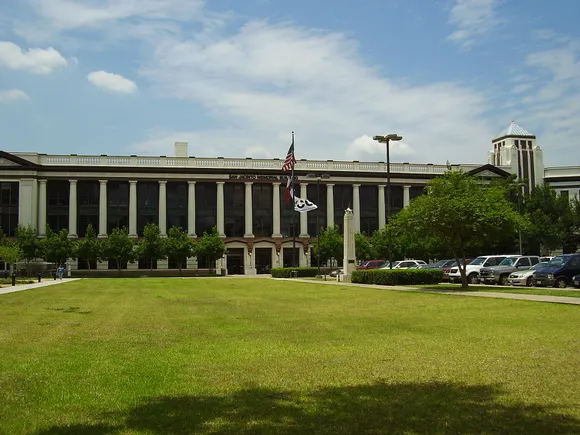
Houston Community College (HCC) system leaders will present a report at Wednesday's board meeting, calling for increased funding for deferred maintenance. The college currently has a backlog of about 450 repair and upgrade projects, with total costs slightly under $80 million. Although existing facilities are in good condition, the backlog far exceeds annual funding levels.
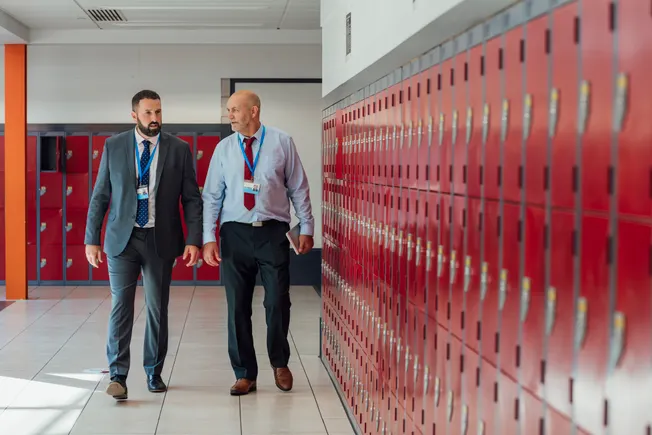
As students return to school, K-12 school technology leaders and vendors advise facility managers to test campus communication systems to ensure they function properly during emergencies. Singlewire's analysis of data from approximately 16,000 schools found that schools sent nearly 20 million notifications last year, with 8% being emergency notifications. Experts point out that the vast volume of daily communications provides a natural testing scenario for system emergency preparedness, while also warning that some security technologies may pose potential harm to students' psychological safety.

At an online hiring and talent retention event hosted by Construction Dive on August 26, multiple experts stated that Gen Z employees (the oldest of whom are nearly 30 years old) can bring technological application advantages to the construction and facility management industries and drive process optimization. By combining the digital skills of younger employees with the industry experience of senior staff, companies can accelerate technology adoption and alleviate labor shortages, while also needing to address Gen Z's demands for work-life balance, career development, and stability.
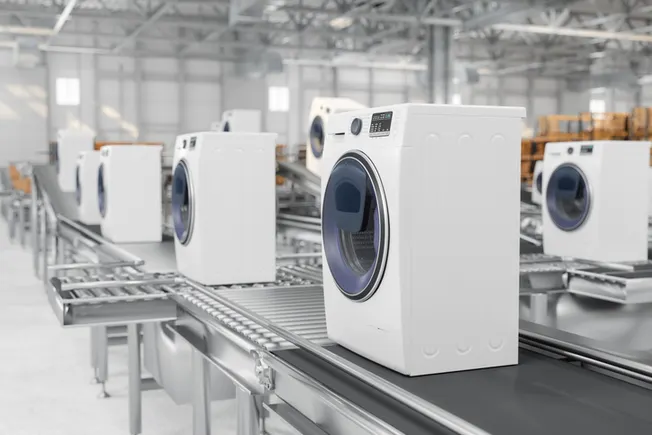
The U.S. Department of Energy (DOE) proposed rules in July to revise the process for setting and testing appliance energy efficiency standards, aiming to 'permanently end mandatory requirements for appliances and equipment.' The proposal has drawn opposing views from 15 industry groups and energy efficiency advocacy organizations: the former supports making procedural rules binding documents but opposes retroactive application; the latter argues that a fixed energy savings threshold would forgo incremental efficiency gains and maintains that procedural rules should remain guidance. The public comment period ended on August 21.
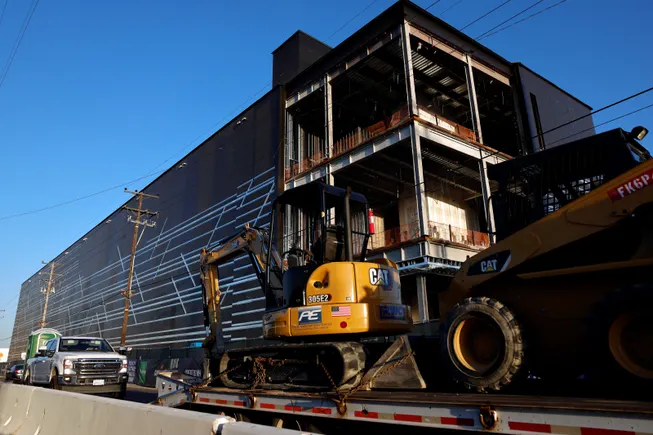
The rapid advancement of data center development is reshaping lease contracts and negotiation dynamics. According to the latest CBRE report, supply in primary markets grew by 33.7% year-over-year to 10,903 megawatts in the first half of 2026, with vacancy rates dropping to 1.4%. Lawyers note that because projects must secure financing, landlords have gained more leverage in negotiations, termination rights clauses have been weakened, and their influence over building shell design has strengthened.
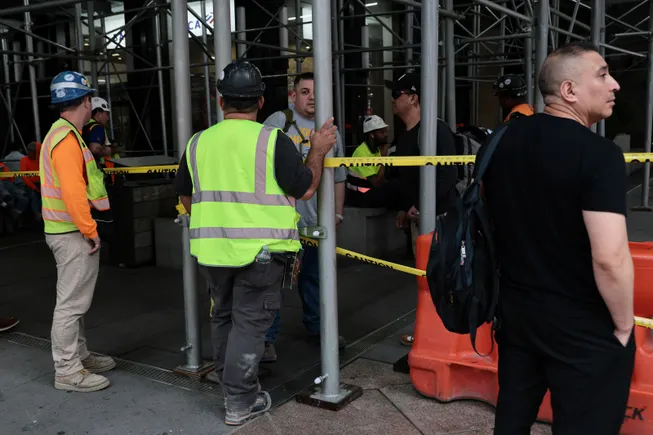
Lightcast's new report systematically defines 135 skilled trades for the first time, finding approximately 2.1 million related job openings annually in the U.S., with about 3 positions per trained worker, and a talent gap of 1.3 million. Retirements account for 40% of annual openings, and over 25% of workers are aged above 55, intensifying labor shortage pressures.
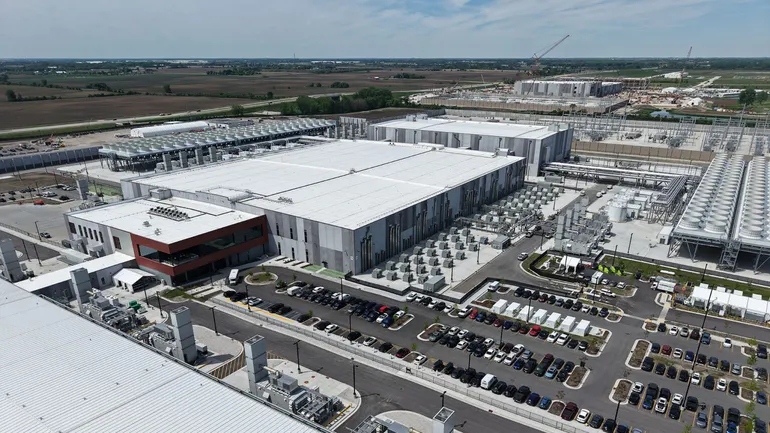
Microsoft has been sued over low-frequency noise from its data center in Mount Pleasant, Wisconsin, with plaintiffs claiming that traditional dBA monitoring cannot capture this frequency range. At least six noise lawsuits against data center operations have been filed this year, and legal experts predict such cases will become an emerging area of litigation.

DoorDash released its 2026 Meal Impact Report, based on a survey of 1,019 U.S. corporate executives, finance, HR, and benefits leaders. The report shows that 54% of respondents believe meal benefit expectations have risen alongside costs, with a per-person monthly budget of $425 (averaging $21 per day). 44% of companies rank employee satisfaction as their top goal, above cost considerations (31%). The report emphasizes that flexibility and refined management matter more than sheer spending.

Amid surging demand for data center construction, U.S. contractors face a shortage of skilled labor. Executives from Turner, Clayco, and DPR revealed at industry events that they are employing comprehensive strategies such as loan repayment, mobility bonuses, career development support, and local partnerships to address recruitment and retention challenges.

The U.S. Army announced on Wednesday that it has selected five companies to deploy 1 to 20 megawatt nuclear microreactors at multiple military bases across the United States, providing resilient power for critical infrastructure and maintaining connection to the main power grid under normal conditions. The project, named 'Project Janus,' will provide milestone-based federal funding while requiring companies to bear most of the investment. The first reactors are expected to be operational by September 30, 2028.