


Latest news
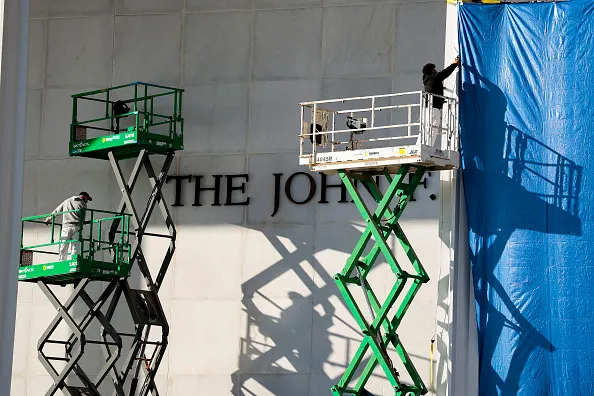
The U.S. Department of Justice said in documents filed with a federal court that the Kennedy Center for the Performing Arts is in poor condition and may ultimately be demolished if renovation funding cannot be secured. The Justice Department believes that President Trump has a unique role in raising funds and advancing the renovation, and supports the board's resolution to engrave his name on the building. Opponents, however, accuse the Justice Department of using the threat of demolition to push for the restoration of Trump's name.
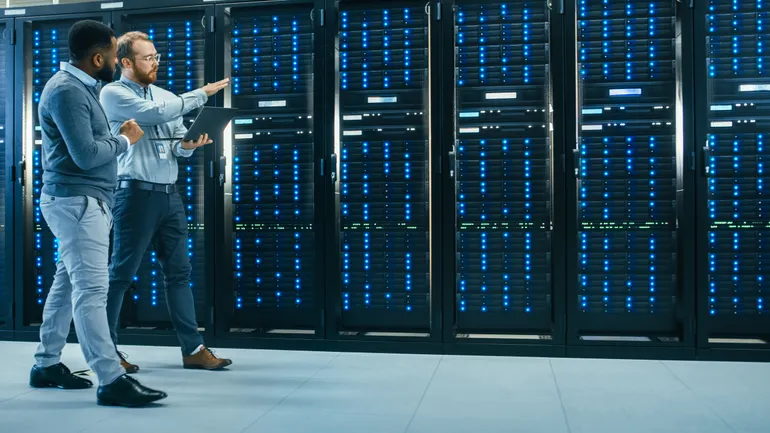
Two-phase direct-to-chip liquid cooling provider Accelsius announced that its technology has been deployed at EdgeConneX's global training center, marking the first commercial application of the IR150 unit, touted as the industry's first IT rack with an integrated cooling distribution unit. Independent benchmark tests show the technology can match single-phase system performance at higher facility water temperatures, thereby saving energy.

Microsoft and Qcells are expanding their partnership, with Microsoft funding the electricity needed for data centers and Qcells responsible for developing new capacity and supplying power to Microsoft or surrounding utilities. The two are also exploring virtual power plants, integrating residential and commercial batteries to reduce peak demand. This move echoes the White House Taxpayer Protection Commitment signed by Microsoft, whose 2025 emissions rose by 25% due to data center expansion.
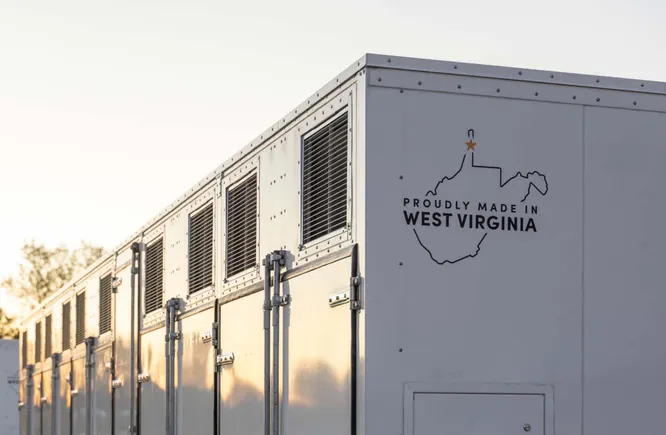
Battery startup Form Energy recently announced $750 million in funding to advance the commercialization of low-cost long-duration energy storage. Its iron-air batteries can discharge continuously for over 100 hours, offering significant cost advantages, but face challenges such as lower efficiency and large size. The company's projects with Google and Xcel will become the world's largest batteries.

The California Energy Commission (CEC) released a draft implementation strategy for Building Performance Standards (BPS) on July 7, aiming to drive energy efficiency and emissions reduction in large commercial and multifamily buildings by setting long-term goals for 2045 and five-year interim checkpoints. The draft emphasizes owner flexibility, offering alternative pathways such as portfolio compliance and timeline adjustments, and explicitly prohibits passing noncompliance penalties on to tenants, while also providing anti-displacement protections for tenants. This strategy is developed pursuant to Senate Bill 48 of 2023 (the Building Energy Savings Act) and is currently open for public comment.

The U.S. General Services Administration (GSA) is requesting that Congress grant it full budget authority over its rental income and building sale proceeds, citing a $26 billion repair backlog that threatens occupant safety. The agency also seeks $1.2 billion in annual appropriations, up from roughly $620 million in recent years, to prevent the backlog from growing.

In the commercial real estate sector, executives' vague predictions about AI applications are being replaced by more mature strategies. CBRE, JLL, and Cushman & Wakefield, in recent earnings calls and public communications, detailed specific use cases of AI in facility management, leasing, space planning, and other operations, and outlined development paths for 2026 and beyond.
At the IFMA World Workplace 2025 conference in Minneapolis, experts urged facility managers to adopt an "FM Analyst" mindset, integrating data analysis and communication skills with traditional technical expertise to address the surge in data and AI-driven changes. The conference attracted over 4,000 professionals and showcased smart building solutions such as OpenBlue.
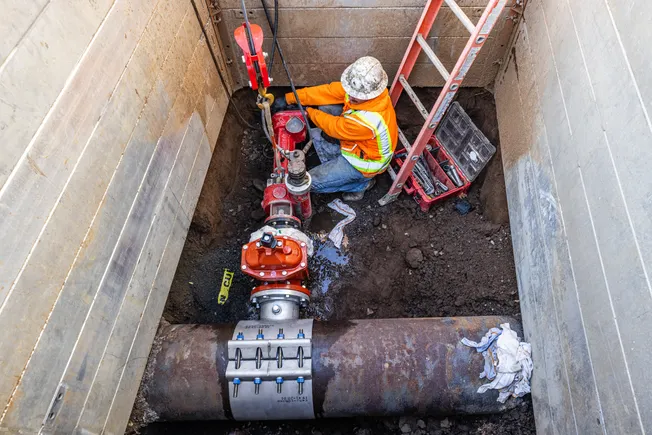
Cities such as Hillsboro, Beaverton, and Tualatin in Oregon have installed in-pipe hydro turbine generators in their water distribution networks, converting excess water pressure that was previously dissipated through pressure-reducing valves into clean electricity. Annual generation from such projects ranges from over 200 megawatt-hours to 426 megawatt-hours, offsetting part of the electricity used by pumping stations or public facilities, and they hold potential for integration with solar power, energy storage, and microgrids to enhance urban energy resilience.
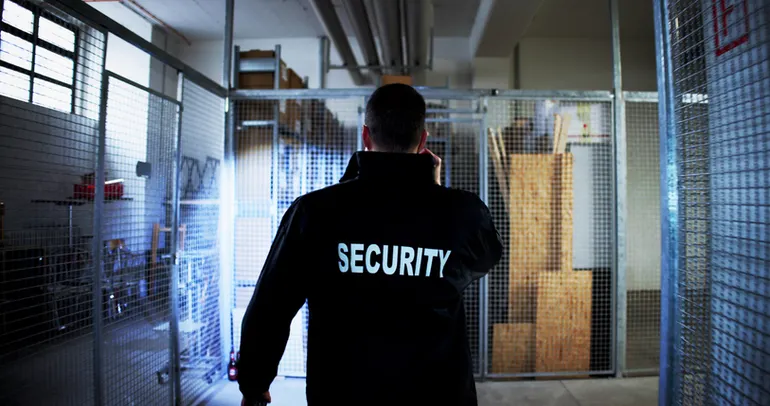
Facility managers must ensure buildings operate safely and efficiently, but as asset portfolios expand and security operations grow more complex, they are often held accountable for security outcomes across multiple sites while the relevant systems remain largely outside their control. This disconnect between responsibility and control is becoming a major operational risk for the profession. The article analyzes challenges such as fragmented incident response, external pressures (like alarm fine policies), and workforce shortages, and proposes solutions through centralized response platforms that enable unified oversight, improved performance, and compliance.