


Latest news
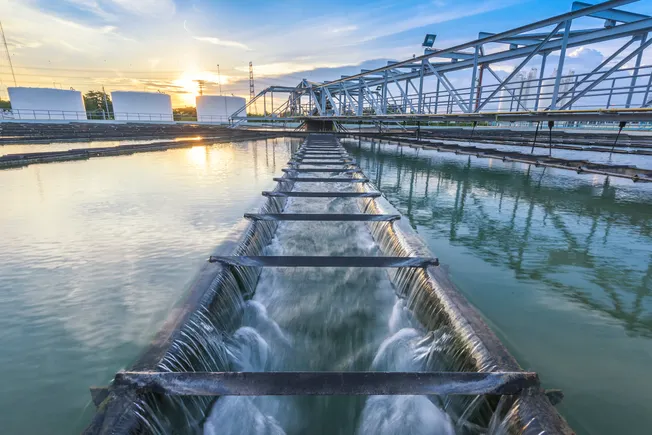
Drinking water and wastewater treatment facilities across multiple U.S. states have recently faced coordinated attacks by hackers with suspected Iranian ties, impacting at least 12 states. The attacks targeted industrial control systems such as programmable logic controllers (PLCs), causing brief disruptions at some facilities but without affecting water supply safety. Federal agencies have issued warnings, and industry organizations are calling for enhanced regulation and resource investment.

In a report released on August 17, JLL stated that digital fatigue is driving consumers back to physical stores, but retailers may miss opportunities if they fail to offer rest areas away from screens. The report recommends three principles: allowing consumers to discover products on their own, providing sensory adjustment spaces, and creating zones that inspire social sharing. The survey shows that nearly 75% of consumers say they would visit quiet, low-stimulation stores more frequently.
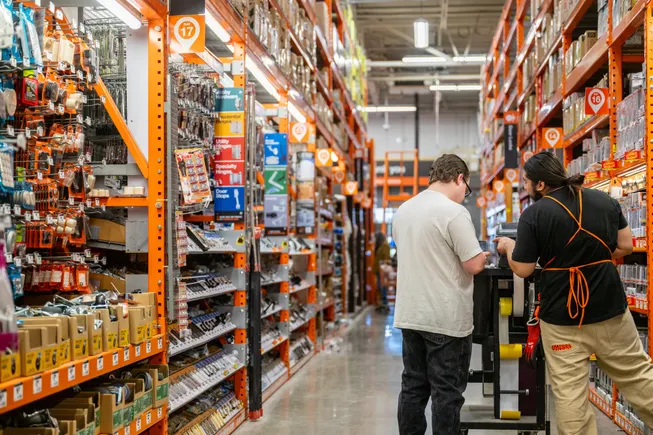
On August 18, Home Depot announced the expansion of its express delivery service nationwide, with eligible orders delivered within 3 hours. The service utilizes its supply chain network and over 2,000 U.S. stores as fulfillment centers, charging a flat fee of $7 in most major markets and $10 in the Los Angeles area, with no subscription or membership required.
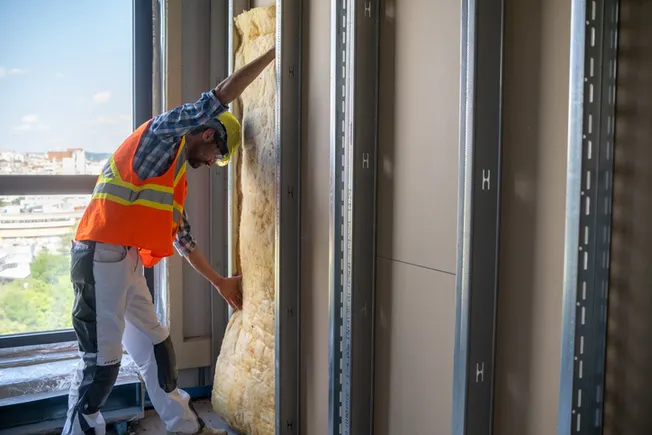
The next version of the ANSI/ASHRAE/IES Standard 90.1 will remove the greenhouse gas-related appendix added last year, which will instead be published as an optional document. Committee members stated that this move reflects a shift in stakeholder opinions and reaffirms the standard's core mission of focusing on energy efficiency.
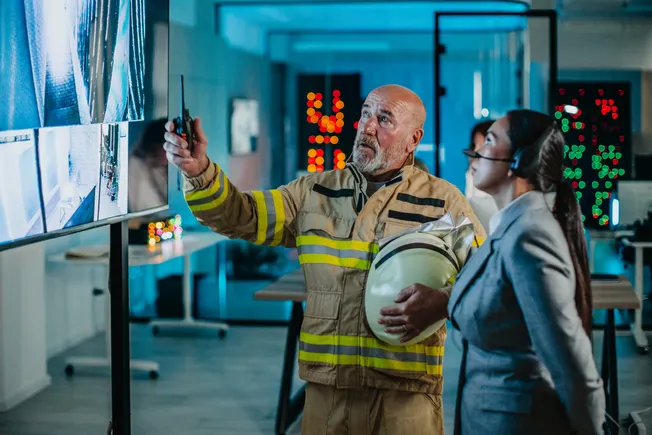
Since 2008, the City of Frisco, Texas has added indoor maps to municipal buildings to improve emergency response. Today, the GIS-based SAFER project covers over 200 facilities and has expanded to areas such as facility management and fire equipment tracking. The city's IT department head stated that cross-departmental collaboration is key to the system's success.
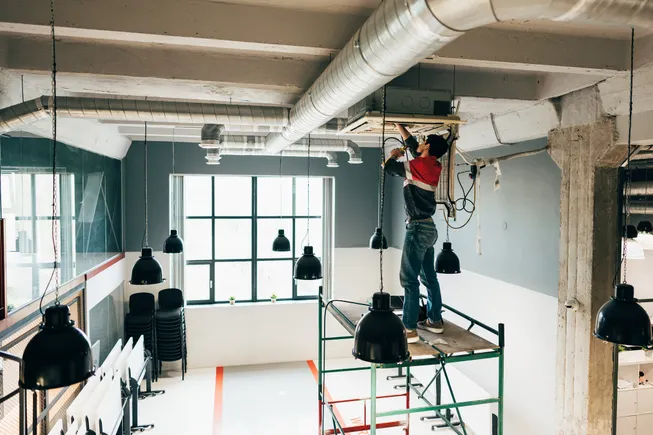
Industry experts state that progressive system upgrades of Class B office buildings synchronized with lease cycles can help owners improve operational efficiency while absorbing leasing demand spilling over from Class A properties. If part of the approximately 3.4 billion square feet of Class B office space in the United States is renovated, it could yield considerable benefits in energy savings, operational costs, and grid flexibility. The phased strategy starts with quick-return technologies such as LED lighting and energy consumption monitoring, using saved funds to support subsequent upgrades on a rolling basis, and leverages tools like energy efficiency certifications and green banks to lower financing barriers.
The Treasury Inspector General for Tax Administration released a report on July 29 stating that the IRS has completed hundreds of security improvements since launching security reviews of approximately 500 facilities in 2022, but the report did not disclose specific improvements and locations for security reasons. The report noted that some improvement funding had been canceled, and future funding could become an issue.
Best Buy has reached a key sustainability target: all 29 of its supply chain facilities are now certified as zero-waste under the TRUE program, verified by GBCI. The company highlighted waste-reduction practices, employee-led green teams, and foam repurposing as part of its broader environmental strategy.
Lego Group is leveraging renewable energy and efficiency measures to reduce scope 1 and 2 emissions, including solar installations and district heating, while targeting net-zero by 2050.

In this opinion piece, Susanne Seitz, CEO of Buildings Smart Infrastructure at Siemens, explains why partnerships are fundamental to modernizing the built environment. With only 10-15% of medium-sized buildings and fewer than 5% of smaller buildings having a building management system, the opportunity lies in retrofitting existing structures. Seitz outlines six key challenges—workforce shortages, operational complexity, cost pressures, sustainability demands, reactive maintenance, and investment uncertainty—and argues that collaboration across the partner ecosystem is the bridge to autonomous buildings.