

Latest news
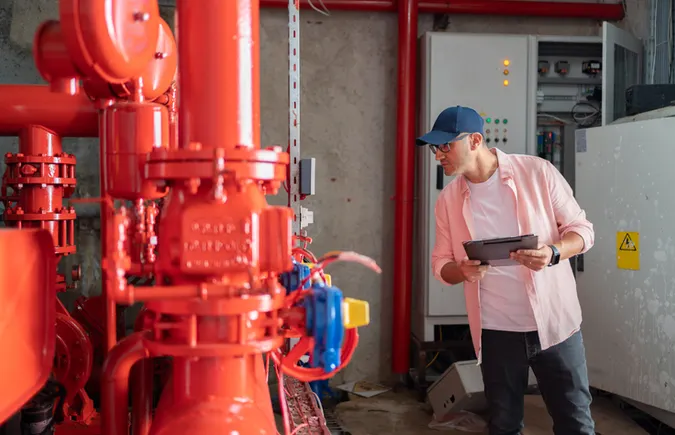
In facility management, the durability of asset labels is often underestimated. When procurement departments select cheap labels to save costs, they may appear functional in the short term, but problems such as unreadable barcodes and label detachment soon arise, resulting in unreliable maintenance records and increased compliance risks. This article uses examples to illustrate why durability is critical, lists common failure modes of low-cost labels, and introduces more durable label materials, recommending that facility managers collaborate with procurement to evaluate label value based on total lifecycle cost.
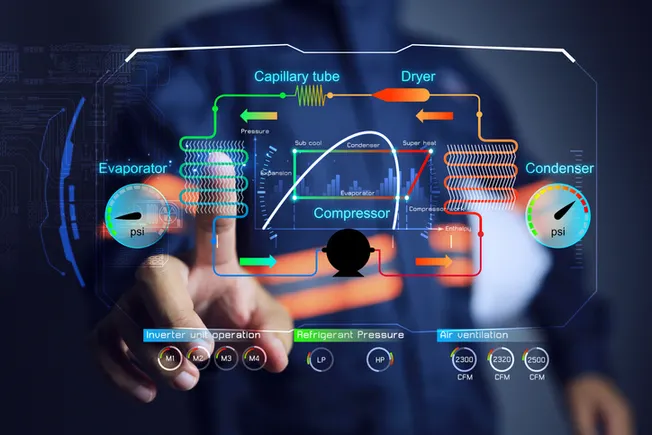
Smart building technology can deliver multiple benefits such as cost savings, space optimization, sustainability, and operational efficiency, but many organizations focus only on a single metric, underestimating its full value. Using indoor air quality monitoring as an example, this article illustrates how to build a more compelling business case by quantifying indirect benefits such as energy savings, carbon reduction, and compliance risk avoidance.
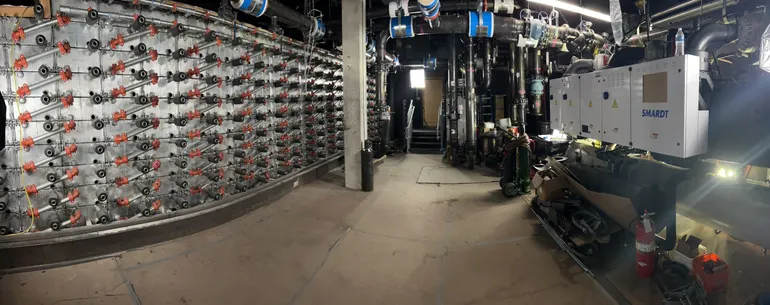
The hotel industry has been gradually recovering after the pandemic, but inflationary pressures keep operating costs high, with energy expenses being particularly prominent—air conditioning can account for 40% to 50% of a hotel's total electricity bill. Data from the U.S. National Renewable Energy Laboratory shows that commercial buildings, including hotels, consume 75% of the nation's electricity, with nearly half used for heating and air conditioning. On-site thermal energy storage systems (based on water or ice) can charge during off-peak hours when electricity rates are lower and discharge during peak periods to drive air conditioning, thereby saving on electricity costs. This technology has been applied at the Beverly Hilton and the Waldorf Astoria Beverly Hills, meeting about 40% of their summer peak cooling needs. For hotels that generate their own solar power, thermal energy storage can further extend grid independence. Compared to batteries, thermal energy storage is lower in cost, carries less risk, and is not subject to installation restrictions, making it a viable option for hotels to cope with inflation and cut costs without affecting guest experience.

Smart buildings achieve interconnection of systems such as lighting and security through IoT technology, but behind the convenience lies an expanding cyber threat surface. In 2023, more than 30 hostile cyber operations were reported, and cyber attacks in 2024 affected hundreds of thousands of IoT devices. From the Target data breach in 2013 to the water treatment plant intrusion in 2021, attackers have exploited vulnerabilities in HVAC systems and automated controls to cause operational disruptions, financial losses, and even safety risks. Facility managers need to adopt multi-layered protection strategies, including regular updates, strict vendor management, employee training, and a zero-trust model, to safeguard building assets and personnel safety.

According to a report jointly released by JLL subsidiary Building Engines and BOMA International, the facility management industry is at a key juncture in technological evolution. In 2025, AI, automation, maintenance management, energy efficiency, productivity enhancement, and space optimization will be the technology directions with the deepest impact on the industry. Although 90% of companies plan to integrate AI to assist expert work within the next five years, the report also points out that there remains a 'gap between intention and implementation' in AI adoption and energy-saving technologies.
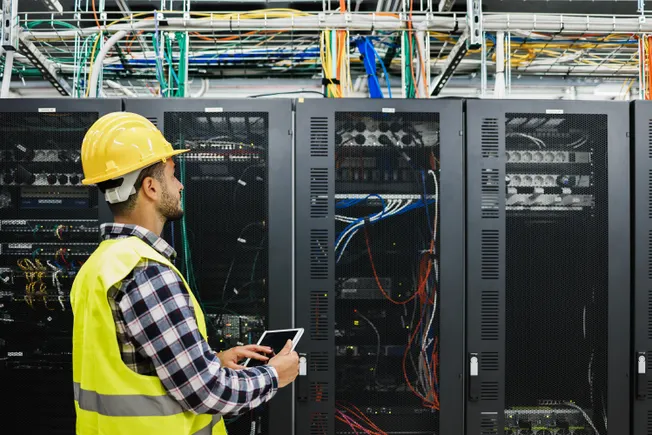
Data center cooling experts predict that in 2025, two-phase direct-to-chip cooling will enter the implementation phase, hybrid cooling solutions will expand but be constrained by supply chain risks, building and system designs will need to adapt to high-density AI loads, retrofits of existing facilities will proceed slowly, and cooler northern regions will gain more attention due to natural cooling advantages.
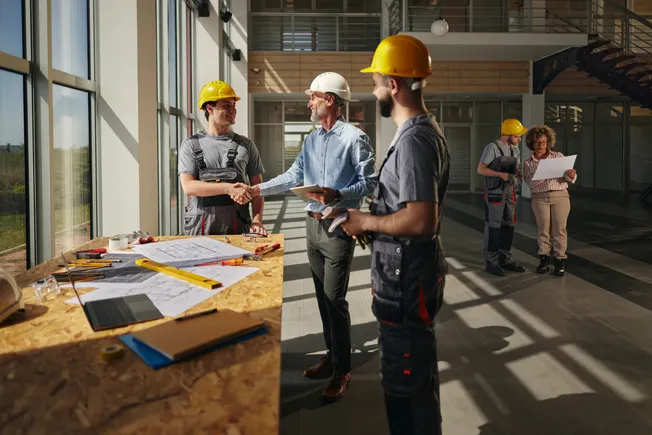
With the Federal Reserve gradually cutting interest rates and office policies becoming clearer, the facility management market will see more certainty in 2025. However, uncertainties in energy, labor, and tax policies after the Trump administration takes office, as well as the surge in AI-driven data center electricity demand and the persistent shortage of skilled labor, remain major tests for the industry. Based on industry reports and expert interviews, this article outlines six major trends that facility managers need to focus on in 2025.

Commercial Property Assessed Clean Energy (C-PACE) financing is becoming an important tool for owners and operators to fund sustainability retrofit projects. This article analyzes its advantages, state-by-state progress, and obstacles through multiple case studies and expert opinions.
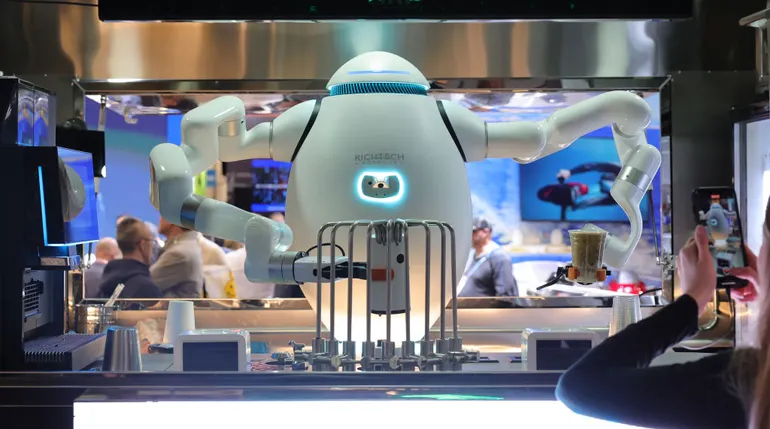
At CES 2024, robot demonstrations attracted attention, but the culinary union delegation focused on their threat to employment. The current hotel strike centers on wages, but experts believe technology will be key in future negotiations. Union contracts already include technology protection clauses but do not restrict technology deployment. Automation is costly and its effectiveness is uncertain, making it unlikely to replace human labor in the short term, but optimizing employee experience through technology may become a trend.